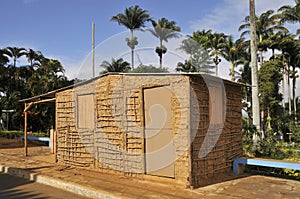
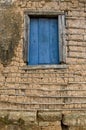
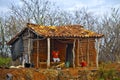
wattle and daub construction details
|
||||||||||||||
|
|
|
||||||||||||
|
||||||||||||||





Stockphotos.ro (c) 2025. All stock photos are provided by Dreamstime and are copyrighted by their respective owners.
wattle and daub construction details |
||||||||||||||||||||||||||||||||||||||||
| navigate by keyword : ancient and animal architecture areas backdrop background basic building buildings clay combination construction daub daubed details developed dust engineering enginer fine grunge historic home house impact important include lattice made making many material more mud native old pise popular primitive sand sky soil sticky straw strips sustainable technique technology texture the tradition traditional used usually vintage wall walled walls wattle wet window wooden world woven years |
||||||||||||||||||||||||||||||||||||||||
|
||||||||||||||||||||||||||||||||||||||||
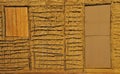
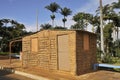
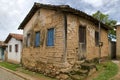
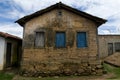
| Wattle and daub (or wattle-and-daub) is a building material used for making walls, in which a woven lattice of wooden strips called wattle is daubed with a sticky material usually made of some combination of wet soil, clay, sand, animal dung and straw. Wattle and daub has been used for at least 6,000 years, and is still an important construction material in many parts of the world. Many historic buildings include wattle and daub construction, and the technique is becoming popular again in more developed areas as a low-impact sustainable building technique. |
||||||||||||||||||||||||||||||||||||||||
|
Stockphotos.ro (c) 2025. All stock photos are provided by Dreamstime and are copyrighted by their respective owners. |
||||||||||||||||||||||||||||||||||||||||