samshvilde
|
||||||||||||||
|
|
|
||||||||||||
|
||||||||||||||




Stockphotos.ro (c) 2026. All stock photos are provided by Dreamstime and are copyrighted by their respective owners.
samshvilde |
||||||||||||||||||||||||||||||||||||||||
| navigate by keyword : accidental attract bakuri bank building byzantine canyon canyons caucasus center christian church complex confluence country cross deborah deep descendents direct district emperors fortress georgia grandees greater hemmed historical indicated inside johan kartli khazar khrami komprinimus konstantin kvemo letter limestone medieval mentioning monastery monastic orthodox ortodox perhaps pilgrim pitikhshi political protect protest provinces rather regarded region relatively remains reveals rulling samshvilde sides significant sioni tendency tetri tourist tsqaro valley varaz village wall word writing |
||||||||||||||||||||||||||||||||||||||||
|
||||||||||||||||||||||||||||||||||||||||
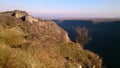
| Samshvilde Sioni church, built in 759-777 by the local grandees, Varaz-Bakuri, his brother Johan and sister Deborah, called ââ¬Åthe Queen of Samshvildeââ¬Â, direct descendents of Pitikhshi of Kartli is the most significant of all other cult building remains. Itââ¬â¢s worth of mentioning that the reign of the byzantine Emperors Konstantin V Komprinimus and Leon IV the Khazar is indicated in the church built in the country where the Arabs had been rulling. This fact hardly can be regarded as accidental ââ¬â it rather reveals political tendency, perhaps a protest against the Arabs. |
||||||||||||||||||||||||||||||||||||||||
|
Stockphotos.ro (c) 2026. All stock photos are provided by Dreamstime and are copyrighted by their respective owners. |
||||||||||||||||||||||||||||||||||||||||