physcia
|
||||||||||||||
|
|
|
||||||||||||
|
||||||||||||||








Stockphotos.ro (c) 2026. All stock photos are provided by Dreamstime and are copyrighted by their respective owners.
physcia |
||||||||||||||||||||||||||||||||||||||||
| navigate by keyword : yellow woodland wildlife vibrant trunk tree textured temperate symbiotic surface structures spp soil shrub rough rock relationship regions providing produce plant physcia patterns participating orange nutrient nature lichen leafy leaf jungle intricate indicate healthy habitat growing green generated garden fungal found forest flower ecosystem distinctive displays dark cycling contributing contrasting components colors circular bright branch bark autumn appearance algal |
||||||||||||||||||||||||||||||||||||||||
|
||||||||||||||||||||||||||||||||||||||||
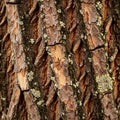
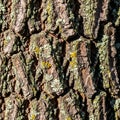
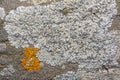
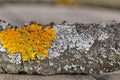
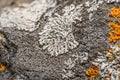
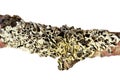
| Bright green and orange lichen (Physcia spp.) growing on tree bark, with distinctive, circular structures. The lichen displays a leafy, textured appearance, contrasting with the rough, dark surface of the bark. The vibrant colors and intricate patterns indicate a healthy symbiotic relationship between the fungal and algal components. This lichen is often found in temperate forest regions, contributing to the ecosystem by providing habitat and participating in nutrient cycling. |
||||||||||||||||||||||||||||||||||||||||
|
Stockphotos.ro (c) 2026. All stock photos are provided by Dreamstime and are copyrighted by their respective owners. |
||||||||||||||||||||||||||||||||||||||||