mesohyl
|
||||||||||||||
|
|
|
|
||||||||||||
|
||||||||||||||



Stockphotos.ro (c) 2026. All stock photos are provided by Dreamstime and are copyrighted by their respective owners.
mesohyl |
||||||||||||||||||||||||||||||||||||||||
| navigate by keyword : coral deep demonstrates dense distinct diverse easily ecological elements engineering evolutionary extraordinary fiber function fundamental gap genus highly history identified making mangroves marine mesohyl morphology multicellular niches occupying organisms packed physical physiological pinacoderm plasticity predation provide relying researchers resistant rubbery shallow silica simple skeletal skeleton skinlike slopes smooth specialized spherasters spicules sponge sponges starshaped structural studying subject taxonomically taxonomy traditional unique verongida world |
||||||||||||||||||||||||||||||||||||||||
|
||||||||||||||||||||||||||||||||||||||||
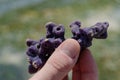
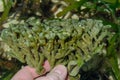
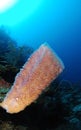
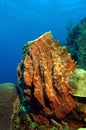
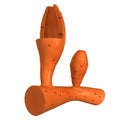
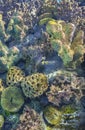
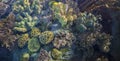
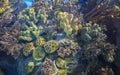
| Chondrilla is a taxonomically distinct genus that bridges the gap between simple morphology and complex physiological function in the marine world. It is easily identified by its smooth, skin-like pinacoderm and the absence of a traditional fiber skeleton, relying instead on a dense mesohyl packed with specialized collagen and star-shaped silica spicules known as spherasters. These structural elements provide the sponge with a unique rubbery consistency that is highly resistant to predation and physical abrasion. By occupying diverse niches from shallow mangroves to deep coral slopes, Chondrilla demonstrates an extraordinary ecological plasticity, making it a fundamental subject for researchers studying the evolutionary history and structural engineering of basal multicellular organisms. |
||||||||||||||||||||||||||||||||||||||||
|
Stockphotos.ro (c) 2026. All stock photos are provided by Dreamstime and are copyrighted by their respective owners. |
||||||||||||||||||||||||||||||||||||||||