gibbon hylobatidae
|
||||||||||||||
|
|
|
||||||||||||
|
||||||||||||||





Stockphotos.ro (c) 2026. All stock photos are provided by Dreamstime and are copyrighted by their respective owners.
gibbon hylobatidae |
||||||||||||||||||||||||||||||||||||||||
| navigate by keyword : and apes are arm because black brown bursts calls calluses cheek creamy differ different family female for genera generic gibbon golden good gray greatly has hips hylobatidae its kinds light long male named pouches primates silver singing sound species tailless term there throat usually white yellow young |
||||||||||||||||||||||||||||||||||||||||
|
||||||||||||||||||||||||||||||||||||||||
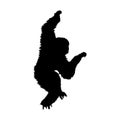
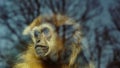
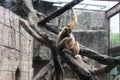
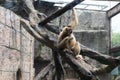
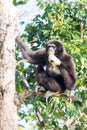
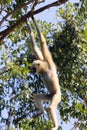
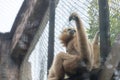
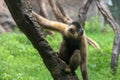
| Gibbon: a generic term for primates and a family of 4 genera and 16 species. It is named because of its long arm. There are calluses on the hips, tailless and cheek pouches. The throat has sound bursts and is good for singing. Different kinds of calls differ greatly. Male apes are usually black, brown or brown; female apes or young apes are light brown, golden yellow, creamy white or silver gray. |
||||||||||||||||||||||||||||||||||||||||
|
Stockphotos.ro (c) 2026. All stock photos are provided by Dreamstime and are copyrighted by their respective owners. |
||||||||||||||||||||||||||||||||||||||||