c17h23no3
|
||||||||||||||
|
|
|
|
||||||||||||
|
|
||||||||||||||


Stockphotos.ro (c) 2026. All stock photos are provided by Dreamstime and are copyrighted by their respective owners.
c17h23no3 |
||||||||||||||||||||||||||||||||||||||||
| navigate by keyword : atropine c17h23no3 molecular structure showing atomic arrangement carbon hydrogen nigtrogen nitrogen oxygen bods diagram tropane alkaloid anticholinergic medication used treat types nerve agent pesticide poisonings slow heart rate decrease saliva production surgery typically intravenously injection muscle prescription medicine symptoms low bradycardia reduce salivation bronchial secretions antidote overdose cholinergic drugs mushroom poisoning may alone medications antispasmodic pharma pharmaceutical industry medical healthcare hospital solution organic inorganic |
||||||||||||||||||||||||||||||||||||||||
|
||||||||||||||||||||||||||||||||||||||||
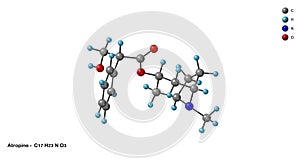
| Atropine C17H23NO3 Molecular Structure showing 3D atomic arrangement and bods of Carbon, Hydrogen, Nitrogen and Oxygen. Atropine is a tropane alkaloid and anticholinergic medication used to treat certain types of nerve agent and pesticide poisonings as well as some types of slow heart rate, and to decrease saliva production during surgery. It is typically given intravenously or by injection into a muscle. Atropine is a prescription medicine used to treat the symptoms of low heart rate (bradycardia), reduce salivation and bronchial secretions before surgery or as an antidote for overdose of cholinergic drugs or mushroom poisoning. Atropine may be used alone or with other medications. |
||||||||||||||||||||||||||||||||||||||||
|
Stockphotos.ro (c) 2026. All stock photos are provided by Dreamstime and are copyrighted by their respective owners. |
||||||||||||||||||||||||||||||||||||||||