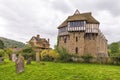
stokesay castle england

navigate by keyword : 1317 13th 1641 1645 16th 17th allowing baldwyn besieged castle century charles civil collapsed commercial continued craven descendants earl end england english estate family feudal finest forces fortified garrison heirs houses june king lacy laurence leading least ludlow manor merchants minor outbreak overlordship owned parliament parliamentary retained royalist secure shropshire stokesay surrender surviving their verdun walls william

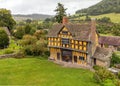
Stokesay Castle England Royalty Free Stock Photo
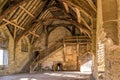
The Great Hall, Stokesay Castle, Shropshire, England. Royalty Free Stock Photo
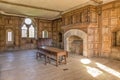
Stokesay Castle Solar, Shropshire, England. Royalty Free Stock Photo
Stokesay Castle Gatehouse, Shropshire, England. Royalty Free Stock Photo
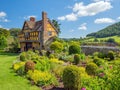
Stokesay Castle Gatehouse and garden, Shropshire, England. Royalty Free Stock Photo
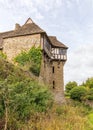
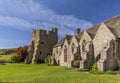
The North Tower, Stokesay Castle, Shropshire, England. Royalty Free Stock Photo
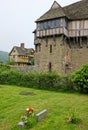
The Gatehouse, Stokesay Castle, Shropshire, England. Royalty Free Stock Photo
Stokesay Castle England
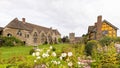
Stokesay Castle, Shropshire, England. Royalty Free Stock Photo
The Great Hall Roof Timbers, Stokesay Castle, Shropshire, England. Royalty Free Stock Photo
Stokesay Castle, Shropshire, England Royalty Free Stock Photo
Stokesay Castle Roof Timbers, Shropshire, England. Royalty Free Stock Photo
The North Tower, Stokesay Castle, Shropshire, England. Royalty Free Stock Photo
Stokesay Castle is one of the finest surviving fortified manor houses in England, and situated at Stokesay in Shropshire. It was largely built in its present form in the late 13th century by Laurence de Ludlow, on the earlier castle some of which still survives founded by its original owners the de Lacy family, from whom it passed to their de Verdun heirs, who retained feudal overlordship of Stokesay until at least 1317. Laurence `of` Ludlow was one of the leading wool merchants in England, who intended it to form a secure private house and generate income as a commercial estate. Laurence`s descendants continued to own the castle until the 16th century, when it passed through various private owners. By the time of the outbreak of the English Civil War in 1641, Stokesay was owned by William Craven, the first Earl of Craven and a supporter of King Charles I. After the Royalist war effort collapsed in 1645, Parliamentary forces besieged the castle in June and quickly forced its garrison to surrender. Parliament ordered the property to be slighted, but only minor damage was done to the walls, allowing Stokesay to continue to be used as a house by the Baldwyn family until the end of the 17th century.


Stockphotos.ro (c) 2025. All stock photos are provided by Dreamstime and are copyrighted by their respective owners.