spider
|
||||||||||||||
|
|
|
||||||||||||
|
||||||||||||||




Stockphotos.ro (c) 2026. All stock photos are provided by Dreamstime and are copyrighted by their respective owners.
spider |
||||||||||||||||||||||||||||||||||||||||
| navigate by keyword : background beautiful beauty belonging black bottle bumblebee butterfly closeup colors common cute detail diptera europe extreme eyes family field flower giant green hoverfly hunchback huntsman impact insect insects interesting king light lion little lucifer lucilia luna macro magnification micro micrommata model moth name natural neck orange portrait punky rare ready shocking spain sparassidae species spider spiders spring studio summer syrphidae tiny tipula tipulidae trachelophorus virescens wasp weevil weird wildlife wolf work yellow |
||||||||||||||||||||||||||||||||||||||||
|
||||||||||||||||||||||||||||||||||||||||
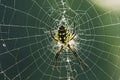
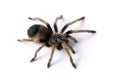
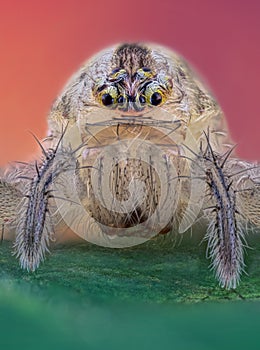
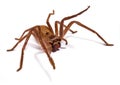
| Anatomically, spiders differ from other arthropods in that the usual body segments are fused into two tagmata, the cephalothorax and abdomen, and joined by a small, cylindrical pedicel. Unlike insects, spiders do not have antennae. In all except the most primitive group, the Mesothelae, spiders have the most centralized nervous systems of all arthropods, as all their ganglia are fused into one mass in the cephalothorax. Unlike most arthropods, spiders have no extensor muscles in their limbs and instead extend them by hydraulic pressure. |
||||||||||||||||||||||||||||||||||||||||
|
Stockphotos.ro (c) 2026. All stock photos are provided by Dreamstime and are copyrighted by their respective owners. |
||||||||||||||||||||||||||||||||||||||||