indian deer

navigate by keyword : absent animals antlers bladder bone bovidae chewing deer distinctions distinguishing each eye factor fissure forests found gall grasslands horns intervals large open part permanent regrow regular ruminants separate solid species they though which

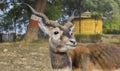
Indian Deer Head Royalty Free Stock Photo
Indian Deer Royalty Free Stock Photo
Indian deer in gir jungle Royalty Free Stock Photo
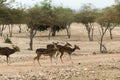
Indian deer Axis axis in Yala National Park. Royalty Free Stock Photo
Indian deer portrait Royalty Free Stock Photo
A beautiful adult Indian deer sambar rusa unicolor drinks water Royalty Free Stock Photo
animal indian deer forest Royalty Free Stock Photo
Indian deer
Indian Deer at kaziranga national park assam Royalty Free Stock Photo
Cheetal indian deer Royalty Free Stock Photo
Indian Deer Royalty Free Stock Photo
Beautiful Family Of Indian Deer Royalty Free Stock Photo
Indian deer Royalty Free Stock Photo
Indian Deer with texas Royalty Free Stock Photo
Digital painting of Indian Deer Royalty Free Stock Photo
Deer are the most ancient of all the ruminants ( cud chewing animals) and are mostly found in the forests or in the open grasslands. Even though they are part of Bovidae still there are many distinctions which separate them from this class. Nearly all the deer species have large fissure below each eye and the gall bladder is absent in nearly all the deer’s. Unlike other ruminants (cud chewing animals) deer have solid horns and that is its most distinguishing factor. Deer antlers are mass of solid bone and are shed on regular intervals and regrow again. Whereas in all other bovidae’s the horns are permanent and are not shed.


Stockphotos.ro (c) 2026. All stock photos are provided by Dreamstime and are copyrighted by their respective owners.